
Closed listing · Hickory
2918 23rd Avenue NE
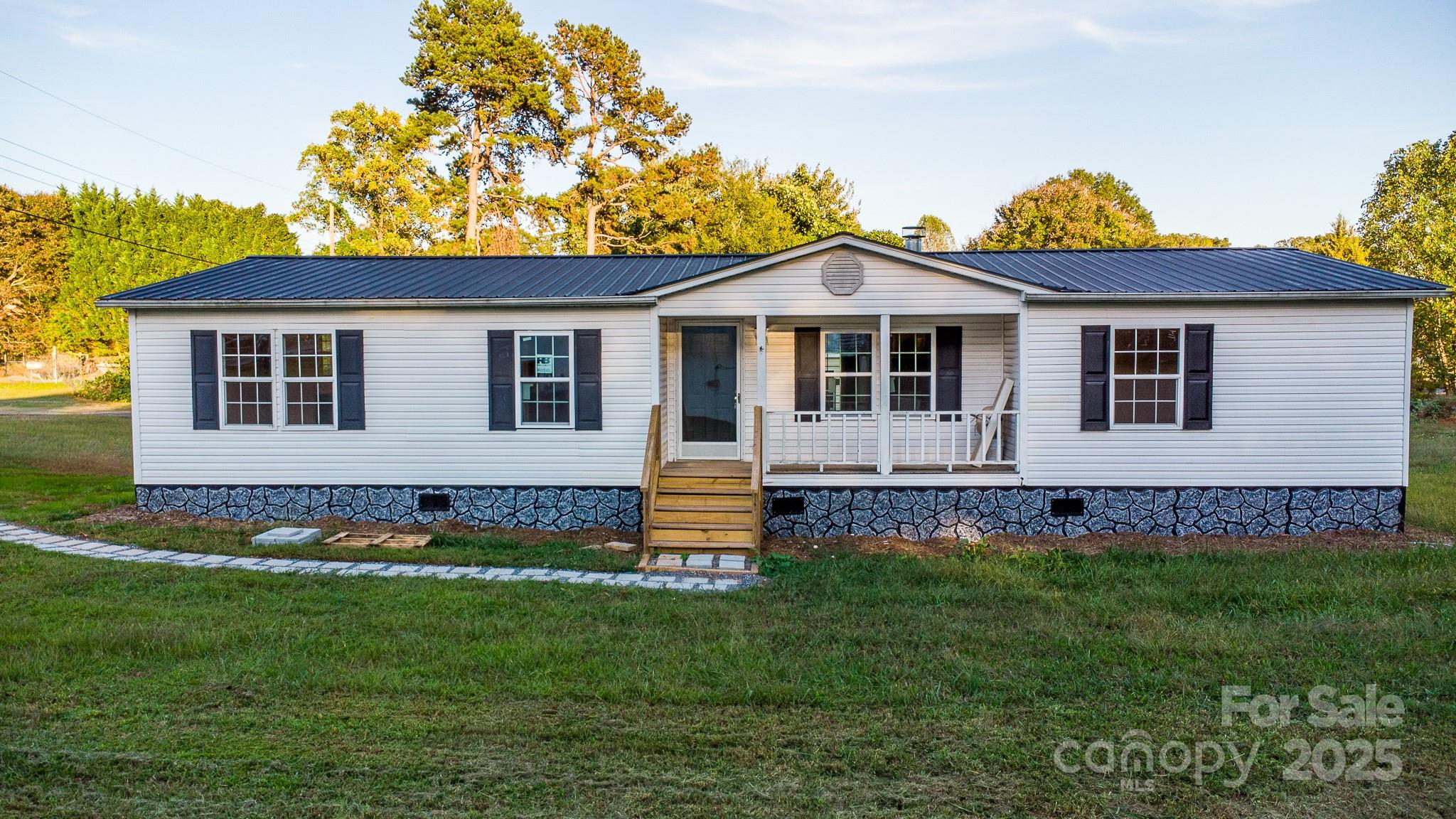
A relocated doublewide can be a wonderful home—and still require a very different financing conversation. This story is about giving buyers and their agents that clarity before anyone schedules a showing.
The financing question
The move history matters as much as the home itself.
A doublewide is a multi-section manufactured home joined together at its installation site. When a manufactured home is later taken apart and installed at another site, it is considered relocated. That history can change which loan programs and lenders will consider the property.
For this type of listing, the right first question is not simply, “Do I qualify for a mortgage?” It is, “Does my lender finance a manufactured home with this specific relocation history?”
Why twice relocated is trickier
Every additional move can narrow an already limited path.
Mainstream program limits
Some major programs require the home to remain at its original installation site. Fannie Mae says a manufactured home generally must not have been previously installed or occupied elsewhere, and USDA’s guaranteed-loan guide says an eligible existing unit must never have been installed on a different homesite.
More history to document
A lender may need to understand where the home was installed, how many times it moved, whether permits and inspections were completed, and whether the current foundation and installation meet program standards.
A smaller lender pool
A second relocation does not automatically mean “unfinanceable,” but it can place the home outside common agency programs and lender policies. Buyers may need a lender experienced with manufactured housing, a portfolio product, substantially more cash, or another qualified financing path.
Program guidance changes and lenders may apply additional requirements. Review the current Fannie Mae manufactured-housing requirements and USDA Chapter 13 guidance, then confirm the property with a qualified lender before relying on any loan option.
The pre-showing checklist
What I encourage buyers and their lenders to verify.
Relocation history
Was the home moved from the dealer to its first site only, or later moved between homesites? Has it been moved more than once?
Identity documents
Are the HUD certification labels and data plate available, or can the needed verification be obtained through IBTS?
Foundation and installation
Is the home on a permanent foundation, and will the lender require an engineer’s foundation certification, permits, or installation records?
Title and land
Is the home properly titled and legally classified with the land as real property for the intended loan program?
Insurance and appraisal
Can the buyer obtain acceptable coverage, and does the lender have an appraiser who can complete the required manufactured-home analysis?
Written lender review
Has the lender reviewed the property type and move history—not only the buyer’s income and credit—before a showing or offer?
A tool I used
Financing considerations, shared before the showing.
I prepared a plain-language notice so interested buyers and their agents could discuss financing with a lender before investing time and emotion in a property that might not fit their loan program. Clear information up front helps everyone make a better decision.
About this document: This is the property-specific handout I shared for 2918 23rd Avenue NE. It explains the financing-fit questions buyers and their agents needed to discuss before scheduling a showing.
The value of proactive education
Honest guidance should begin before a buyer walks through the door.
My goal is not to discourage a showing. It is to make sure a buyer understands the likely financing path, the cash they may need, and the questions their lender must answer. That protects the buyer’s heart and budget while helping the seller focus on prospects who have a realistic path to closing.
Considering a manufactured home?
Let’s check the property and financing fit before you tour.
This page is for general educational purposes and is not mortgage, legal, appraisal, insurance, or tax advice. Program rules and lender overlays can change. Eligibility is determined by the buyer’s lender after reviewing the borrower and the specific property.